
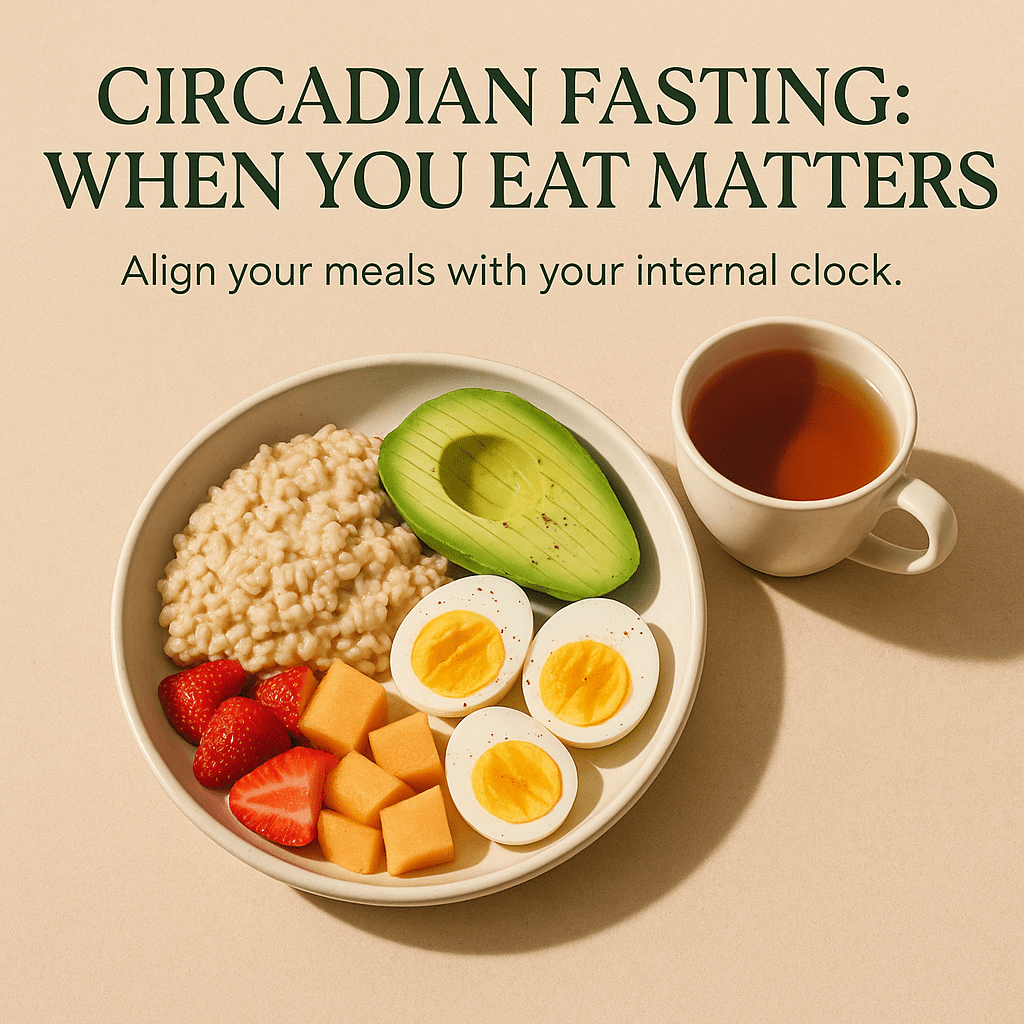
Eating the “perfect” diet but still struggling with energy crashes and stubborn weight? Your meal timing might be sabotaging your metabolism more than food choices ever could. Recent chronobiology research reveals that when you eat influences weight loss, cognitive performance, and metabolic health more dramatically than previously understood—and most people are doing it completely wrong.
The latest data shows that meal timing alignment with circadian rhythms can enhance fat burning by up to 20%, improve insulin sensitivity, and eliminate afternoon energy crashes without changing a single food on your plate. This isn’t another restrictive diet—it’s working with your biology instead of against it.
How Circadian Metabolism Actually Works
Your body operates on built-in metabolic rhythms that evolved over millions of years. Insulin sensitivity peaks in the morning and gradually decreases throughout the day, meaning the same meal eaten at 8 AM versus 8 PM creates vastly different metabolic responses.
Morning metabolism advantages:
- Higher insulin sensitivity allows better glucose processing
- Elevated thermogenesis burns more calories from identical foods
- Optimal digestive enzyme production enhances nutrient absorption
- Peak cortisol levels support healthy glucose release and energy production
Evening metabolic shifts:
- Reduced insulin sensitivity promotes fat storage from carbohydrates
- Lower thermogenesis means fewer calories burned during digestion
- Decreased enzyme production reduces digestive efficiency
- Melatonin rise signals cellular repair mode rather than energy processing
This explains why late-night eating feels sluggish and contributes to weight gain even with identical calories consumed earlier in the day.
The Circadian Fasting Framework
Circadian fasting aligns eating windows with your natural metabolic peaks rather than restricting calories or food choices. The most effective approaches include:
14:10 Protocol (Beginner-Friendly):
- Eating window: 8 AM – 6 PM
- Fasting period: 6 PM – 8 AM
- Best for: Metabolic beginners, social dinner constraints
16:8 Protocol (Most Popular):
- Eating window: 10 AM – 6 PM
- Fasting period: 6 PM – 10 AM
- Best for: Weight optimization, energy stability
18:6 Protocol (Advanced):
- Eating window: 12 PM – 6 PM
- Fasting period: 6 PM – 12 PM
- Best for: Experienced fasters, maximum metabolic benefits
The key principle: Stop eating 3-4 hours before your typical bedtime to allow proper metabolic transition into repair and recovery mode.
Common Circadian Timing Mistakes
Late breakfast misconception: Skipping breakfast to “save calories” while eating large evening meals works against natural insulin sensitivity patterns and can impair metabolism.
Evening carbohydrate loading: Consuming complex carbohydrates after 7 PM when insulin sensitivity is lowest promotes fat storage rather than energy utilization.
Inconsistent timing: Varying meal windows by more than 1-2 hours daily disrupts circadian entrainment and reduces metabolic benefits.
Weekend disruption: Dramatically shifting meal timing on weekends (“social jet lag”) can reset progress and cause metabolic confusion.
Ignoring light exposure: Eating in dim light or using screens during meals can disrupt circadian signaling even with proper timing.
Your Personalized Implementation Strategy
Week 1-2: Assessment and Adjustment
- Track your current eating patterns without changing anything
- Note energy levels, sleep quality, and hunger patterns throughout the day
- Gradually shift dinner timing 30 minutes earlier every few days
- Eliminate late-night snacking as the first major change
Week 3-4: Window Establishment
- Lock in your eating window based on lifestyle and preferences
- Front-load calories with larger breakfast and lunch portions
- Reduce evening portions by 20-30% while maintaining food quality
- Track subjective improvements in energy and sleep
Week 5-8: Optimization and Fine-Tuning
- Adjust window timing based on results and lifestyle fit
- Experiment with meal composition within your established window
- Add light exposure during morning meals to enhance circadian signaling
- Maintain consistency even on weekends for maximum benefits
Expected Benefits and Timeline
Week 1-2: Improved sleep quality and reduced late-night cravingsWeek 3-4: More stable energy levels and reduced afternoon crashesWeek 5-6: Noticeable improvements in body composition and mental clarityWeek 8+: Established metabolic rhythm with sustained benefits
Individual variation: 70% of people experience significant benefits within 4 weeks, while others may require 6-8 weeks to see major changes depending on current metabolic health and consistency.
Meal Composition Within Your Window
Morning meals (highest insulin sensitivity):
- Complex carbohydrates: Oats, quinoa, sweet potatoes for sustained energy
- Lean proteins: Eggs, Greek yogurt, lean meats for satiety
- Healthy fats: Nuts, seeds, avocado for hormone production
Afternoon meals (moderate insulin sensitivity):
- Balanced macronutrients with slight protein emphasis
- Plenty of vegetables for fiber and micronutrients
- Moderate complex carbohydrates if physically active
Evening meals (lowest insulin sensitivity):
- Protein and vegetable focus with minimal starchy carbohydrates
- Anti-inflammatory foods like fatty fish, leafy greens, berries
- Light portions that won’t disrupt sleep or digestion
Troubleshooting Common Challenges
Social dinner conflicts: Plan for 1-2 flexible evenings weekly while maintaining strict timing other days. Consistency matters more than perfection.
Morning hunger absence: This often indicates metabolic inflexibility. Start with small morning meals and gradually increase as natural hunger returns.
Energy crashes during adjustment: Temporary as your body adapts. Ensure adequate electrolytes and consider shorter fasting windows initially.
Weekend social pressures: Communicate your goals clearly and suggest earlier meal times. Most people are accommodating when you explain the health benefits.
Travel disruptions: Maintain fasting periods even if meal timing shifts. Focus on the eating window duration rather than specific clock times.
Who Should Modify or Avoid This Approach
Medical considerations requiring professional guidance:
- Diabetes or blood sugar regulation issues
- History of eating disorders or problematic relationships with food restriction
- Pregnancy or breastfeeding (different nutritional timing needs)
- Medications requiring food timing (consult healthcare providers)
Lifestyle modifications for specific situations:
- Shift workers: Adjust timing to your sleep schedule rather than conventional hours
- Intense athletes: May need longer eating windows during training periods
- Digestive issues: Start with shorter fasting periods and gradually extend
Your Circadian Fasting Quick-Start Plan
Days 1-3: Simply stop eating 3 hours before bedtime while maintaining current breakfast timingDays 4-7: Gradually delay breakfast by 30 minutes to extend morning fastingWeek 2: Lock in your preferred eating window and focus on consistencyWeek 3+: Fine-tune meal composition and portions within your established window
Success tracking metrics:
- Energy stability throughout the day
- Sleep quality improvements
- Natural hunger pattern changes
- Body composition shifts over 4-6 weeks
Final Word: Working With Your Biology
Circadian fasting represents a fundamental shift from fighting your metabolism to collaborating with it. By aligning meal timing with natural metabolic rhythms, you optimize fat burning, energy production, and cellular repair without restrictive food rules or complicated meal planning.
The beauty lies in its simplicity: when you eat matters more than complicated macronutrient ratios or expensive superfoods. Whether you’re seeking weight optimization, energy stability, or metabolic health improvements, circadian fasting offers a sustainable approach that fits your lifestyle while respecting your biology.
Start small, stay consistent, and listen to your body’s responses. The goal isn’t perfect adherence—it’s creating a sustainable rhythm that enhances your health and energy for years to come. Your circadian clock is already running; now you’re simply eating in harmony with it.
 Healthy Today Club
Leave a comment