
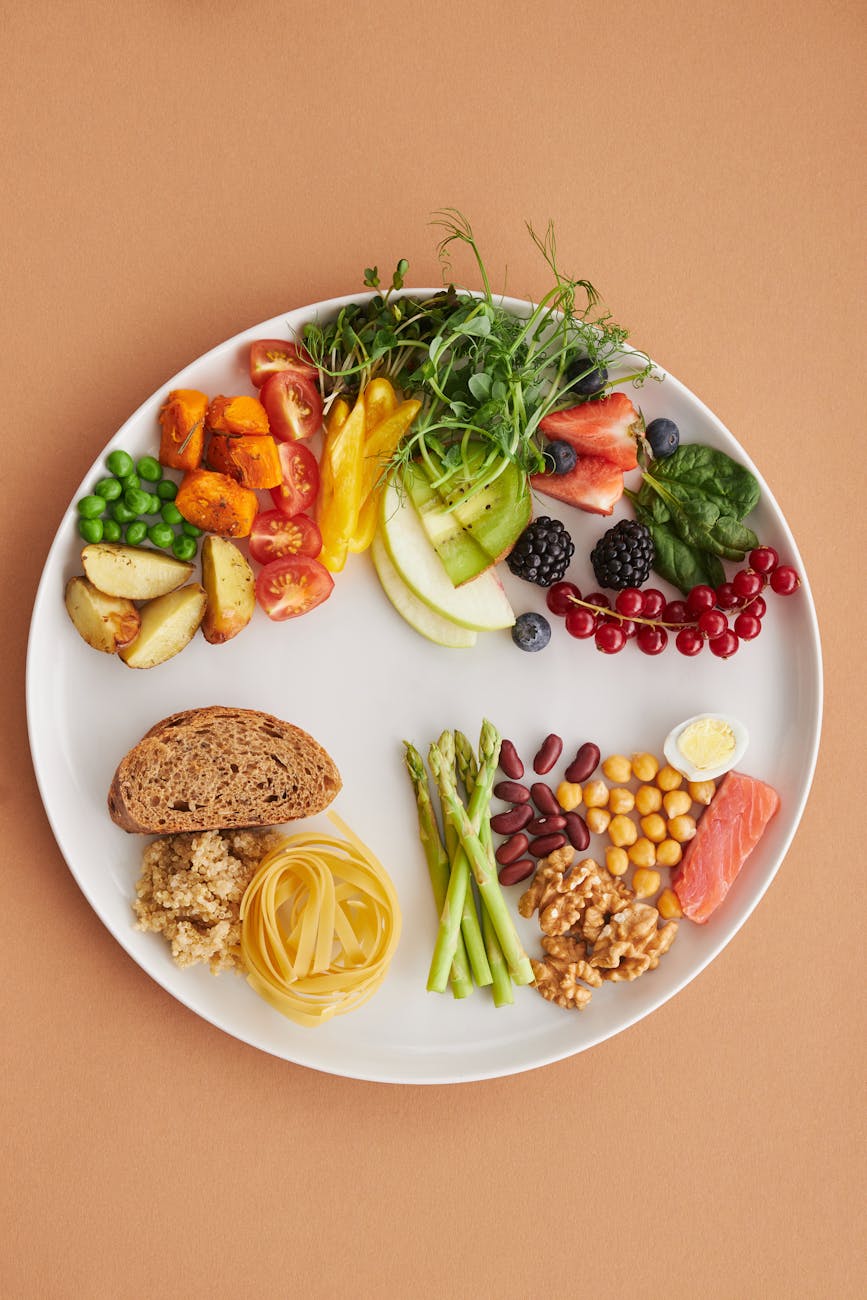
As the earth awakens from its winter slumber, spring presents a perfect opportunity to revitalize your body and mind through biohacking. And one of the best ways to do that is by incorporating seasonal, nutrient-dense foods into your diet. From crisp greens to fresh berries, the bounty of spring offers a wealth of biohacking-friendly ingredients that can help you feel your best.
One of the hallmarks of spring is the abundance of leafy greens, such as spinach, kale, and arugula. These nutrient-dense powerhouses are rich in vitamins, minerals, and antioxidants that can support everything from immune function to detoxification. In fact, a study published in the Journal of the American College of Nutrition found that a diet high in leafy greens can help reduce inflammation and improve overall health (Blekkenhorst et al., 2018). Try incorporating them into salads, smoothies, or sautéed dishes for a spring-inspired biohacking boost.
Spring also brings a variety of cruciferous vegetables, like broccoli, cauliflower, and Brussels sprouts. These veggies contain compounds that can help support liver function and promote healthy hormone balance – both key factors in a successful biohacking regimen. Research has shown that the sulforaphane found in cruciferous vegetables can enhance detoxification enzymes and protect against oxidative stress (Fuentes et al., 2015).
For a touch of sweetness, consider adding fresh berries to your spring biohacking meals. Strawberries, blueberries, and raspberries are not only delicious but also packed with antioxidants, fiber, and beneficial plant compounds that can support brain health and reduce inflammation. A study in the Journal of Agricultural and Food Chemistry found that the anthocyanins in berries can help improve cognitive function and protect against neurodegeneration (Carey et al., 2019).
Don’t forget about healthy fats, either. Avocados, nuts, and seeds are all excellent sources of omega-3 fatty acids, which can help reduce inflammation and support cognitive function. Research has demonstrated that a diet rich in these healthy fats can improve mood, enhance brain performance, and even reduce the risk of chronic diseases (Grosso et al., 2014).
Remember, the beauty of spring biohacking is that you can get creative and have fun with it. Experiment with different flavor combinations, try new recipes, and listen to your body to see what works best for you. By embracing the seasonal bounty of spring, you can nourish your body and mind in a way that supports your overall biohacking goals.
Suggestions to implement:
- Incorporate leafy greens, cruciferous vegetables, and fresh berries into your meals to take advantage of their nutrient-dense properties
- Enjoy healthy fats like avocados, nuts, and seeds to support inflammation reduction and cognitive function
- Experiment with new spring-inspired recipes and flavor combinations that excite your taste buds
- Pay attention to how your body responds to different seasonal foods and adjust your intake accordingly
References: Blekkenhorst, L. C., Bondonno, C. P., Lewis, J. R., Devine, A., Woodman, R. J., Croft, K. D., … & Hodgson, J. M. (2018). Cruciferous and allium vegetable intakes are inversely associated with 15-year atherosclerotic vascular disease deaths in older adult women. The Journal of the American Heart Association, 7(8), e008558. Fuentes, F., Paredes-Gonzalez, X., & Kong, A. N. (2015). Dietary glucosinolates sulforaphane, phenethyl isothiocyanate, indole-3-carbinol/3, 3′-diindolylmethane: anti-oxidative stress/inflammation, Nrf2, epigenetics/epigenomics and in vivo cancer chemopreventive efficacy. Current pharmacology reports, 1(3), 179-196. Carey, A. N., Gildawie, K. R., & Shukitt-Hale, B. (2019). The cognitive effects of anthocyanins and their role in attenuating cognitive decline. Nutrients, 11(7), 1648. Grosso, G., Galvano, F., Marventano, S., Malaguarnera, M., Bucolo, C., Drago, F., & Caraci, F. (2014). Omega-3 fatty acids and depression: scientific evidence and biological mechanisms. Oxidative medicine and cellular longevity, 2014.


Leave a Reply