
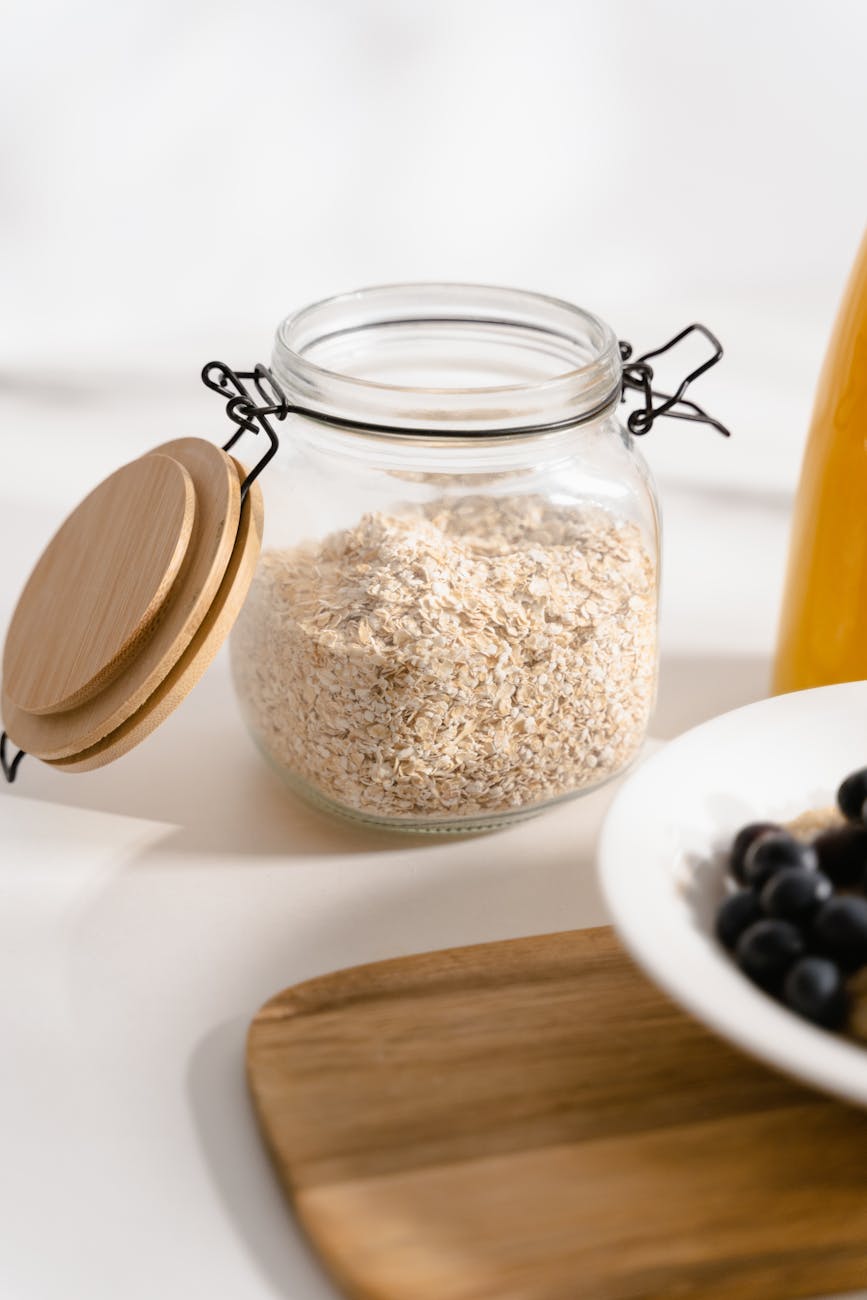
If you’re a biohacker, you’ve probably heard the debate around oats and their impact on blood sugar regulation. Some claim that oats are a no-go for those looking to optimize their health, while others swear by the benefits of this humble grain. As someone who’s always striving to biohack my way to better wellness, I’ve certainly had my fair share of confusion and experimentation when it comes to oats. So, what’s the truth? And if oats aren’t your thing, what are the alternative options for maintaining stable blood sugar levels?
The concern around oats and blood sugar regulation stems from the fact that they contain a type of carbohydrate called beta-glucan. While beta-glucan can have beneficial effects, such as reducing cholesterol (Othman et al., 2011) and promoting gut health (Tosh, 2013), it can also impact how quickly the body processes and absorbs the sugars in oats.
For some individuals, the blood sugar spike and subsequent crash that can occur after eating oats may be problematic, especially for those with insulin resistance or prediabetes. In fact, a study published in the Journal of the American College of Nutrition found that people with type 2 diabetes experienced a higher glycemic response after consuming oats compared to a control group (Panahi et al., 2007).
However, it’s important to note that the effect of oats on blood sugar can vary from person to person. Some biohackers may find that they can tolerate oats just fine, especially if they’re paired with healthy fats and proteins to slow the absorption of the carbohydrates.
If you’re unsure about how oats affect your blood sugar, I’d recommend trying an elimination diet or continuous glucose monitoring to get a better understanding of your individual response. From there, you can experiment with different grains and find the ones that work best for your biohacking needs.
In addition to choosing the right grains, there are other biohacking strategies you can implement to support stable blood sugar levels. These include prioritizing fiber-rich foods, managing stress, and incorporating physical activity into your routine. By taking a holistic approach, you can find the perfect balance of nutrients and lifestyle factors to keep your blood sugar in check.
For example, research has shown that a diet high in soluble fiber, like that found in oats, can actually help improve insulin sensitivity and reduce the risk of type 2 diabetes (Weickert & Pfeiffer, 2008). And when it comes to managing stress, studies have demonstrated that practices like meditation and deep breathing can help lower cortisol levels and improve glucose regulation (Rosenzweig et al., 2007).
If oats don’t seem to be your friend, there are plenty of alternative grains you can explore. Quinoa, buckwheat, and amaranth are all excellent options that tend to have a lower glycemic index and can help keep your blood sugar more stable. These grains are also packed with beneficial nutrients like protein, fiber, and antioxidants that can support your overall biohacking goals.
Remember, everyone’s body is unique, so it may take some trial and error to find the right balance of foods and biohacking strategies that work best for you. But with a little patience and a willingness to experiment, I’m confident you can find the perfect formula to keep your blood sugar in check and your biohacking journey on track.
Suggestions to implement:
- Experiment with alternative grains like quinoa, buckwheat, and amaranth to find options that work well for your blood sugar regulation
- Pay attention to how your body responds to oats and adjust your intake accordingly
- Incorporate fiber-rich foods, manage stress, and stay active to support stable blood sugar levels
- Consider using continuous glucose monitoring or an elimination diet to better understand your individual response
References:
Othman, R. A., Moghadasian, M. H., & Jones, P. J. (2011). Cholesterol-lowering effects of oat β-glucan. Nutrition reviews, 69(6), 299-309.
Tosh, S. M. (2013). Review of human studies investigating the post-prandial blood-glucose lowering ability of oat and barley food products. European journal of clinical nutrition, 67(4), 310-317.
Panahi, S., Ezatagha, A., Temelli, F., Vasanthan, T., & Vuksan, V. (2007). β-Glucan from two sources of oat concentrates affect postprandial glycemia in relation to the level of viscosity. Journal of the American College of Nutrition, 26(6), 639-644.
Weickert, M. O., & Pfeiffer, A. F. (2008). Metabolic effects of dietary fiber consumption and prevention of diabetes. The Journal of nutrition, 138(3), 439-442.
Rosenzweig, S., Reibel, D. K., Greeson, J. M., Edman, J. S., Jasser, S. A., McMearty, K. D., & Goldstein, B. J. (2007). Mindfulness-based stress reduction is associated with improved glycemic control in type 2 diabetes mellitus: a pilot study. Alternative therapies in health and medicine, 13(5), 36.


Leave a Reply